
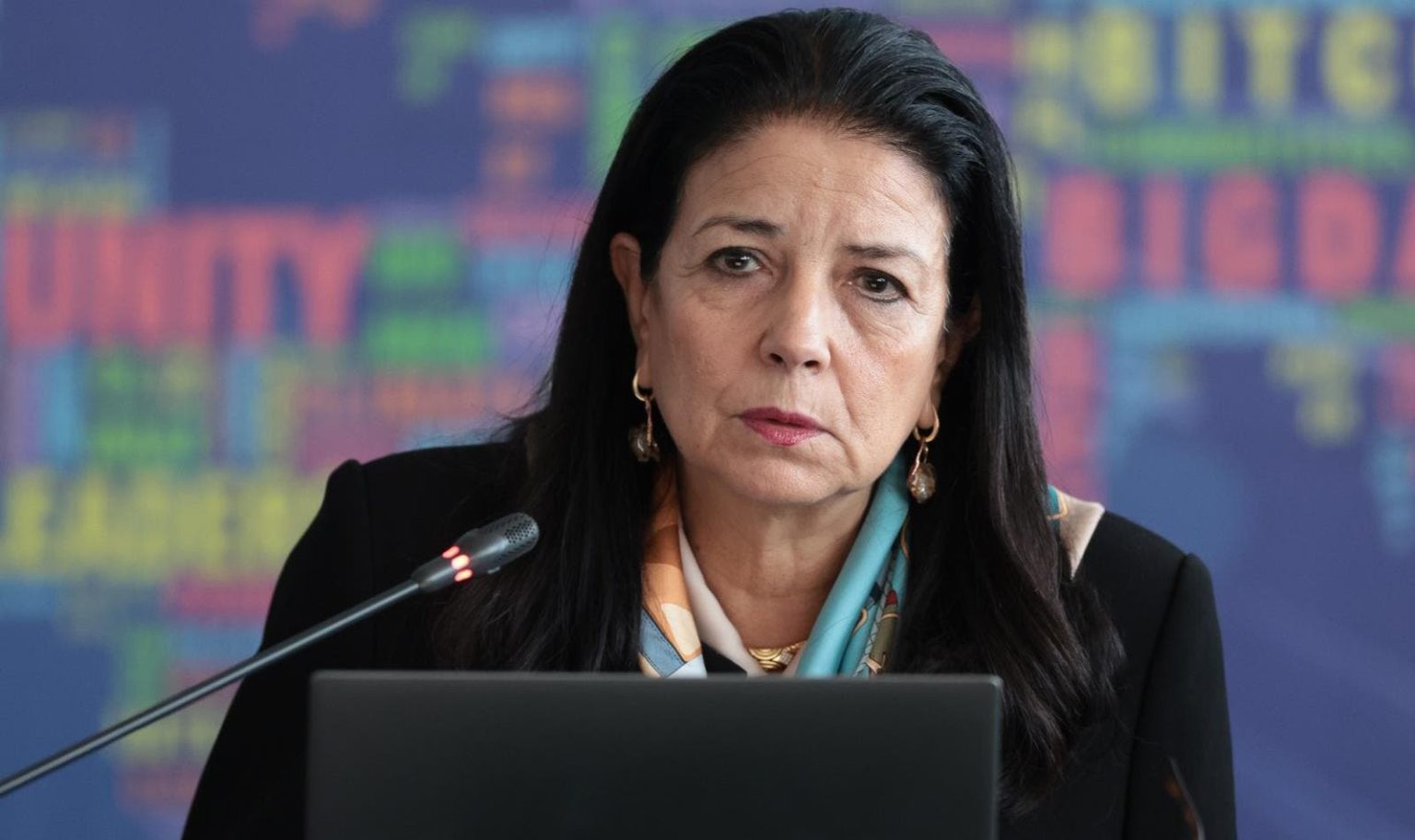
Morocco is continuing to strengthen the use of the Amazigh language within public administration as part of its digital transition and administrative reform agenda, Minister in charge of Digital Transition and Administrative Reform, Amal El Fallah Seghrouchni, announced.
Speaking during a session at the House of Representatives, Seghrouchni said the government’s efforts are aligned with the Moroccan Constitution and Royal directives, aiming to modernize public services and improve accessibility for Amazigh-speaking citizens.
The minister noted significant progress in digital administration, with the Amazigh language now integrated into several official government websites. This development is supported by an Amazigh administrative glossary containing 7,949 terms, as well as the translation of key institutional content to ensure easier access to online public services.
In terms of public reception and communication, Seghrouchni revealed that 494 Amazigh-speaking staff members are currently employed in public administrations, while an additional 1,339 agents are expected to be recruited in upcoming phases. She also pointed to the deployment of 72 Amazigh-speaking operators in call centers to enhance communication and service quality.
Regarding the visual identity of public institutions, the minister said that around 4,000 Amazigh-language signs and directional panels have been installed in public administration buildings nationwide. She added that the Amazigh language was also featured on more than 20,000 public service vehicles during the Amazigh New Year celebrations of 2976.
On the human resources front, Seghrouchni confirmed the launch of Amazigh-language training programs for civil servants. Over 120 public employees have already received training in partnership with the Royal Institute of Amazigh Culture, with plans to expand the program across additional administrative sectors.
The minister concluded by reaffirming the government’s commitment to consolidating the official status of the Amazigh language in public services, recognizing it as a cornerstone of Morocco’s national identity and cultural heritage.