
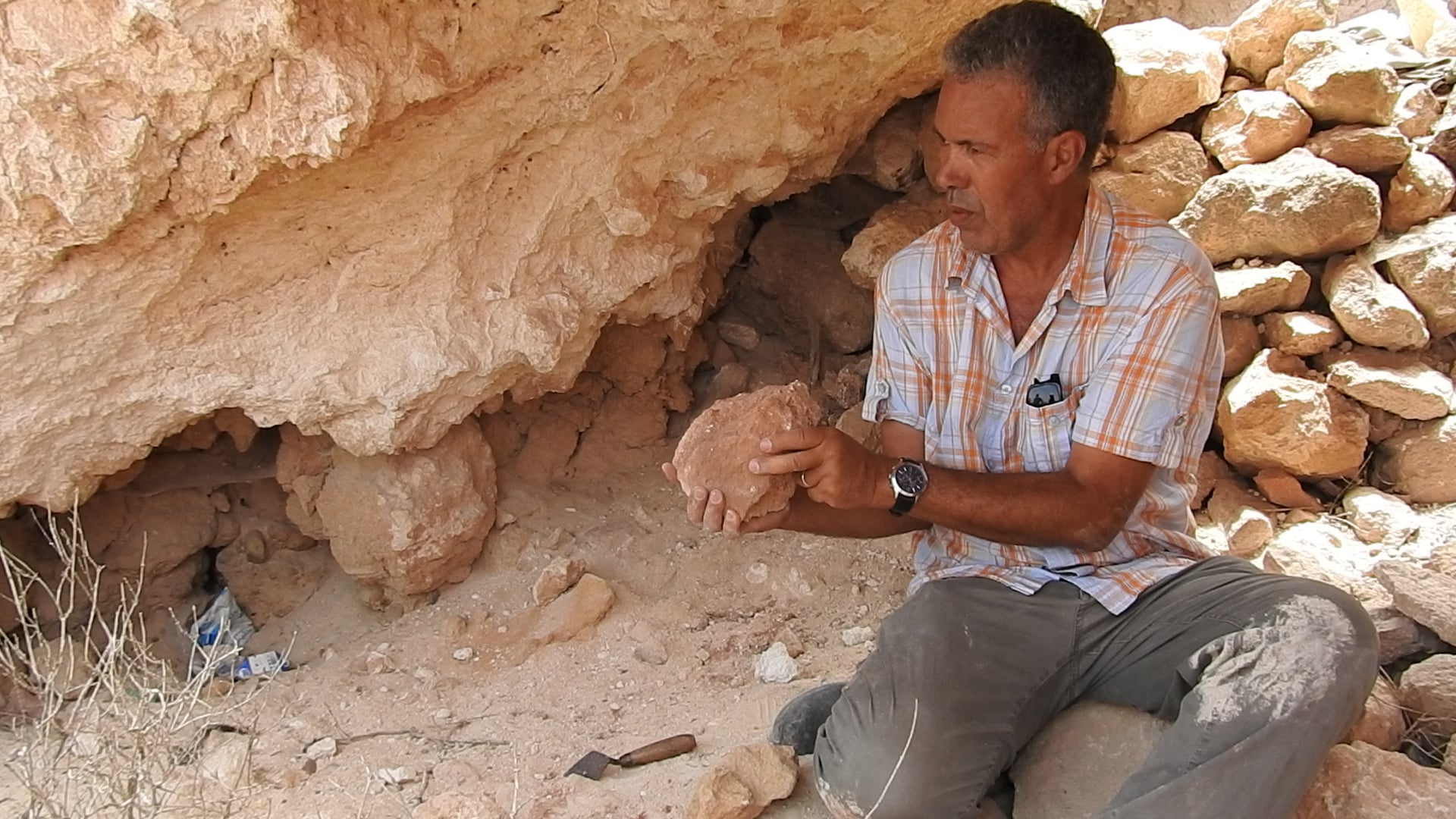
In Rabat, a quiet revolution is unfolding beneath the soil. Moroccan archaeologist, historian and professor, Youssef Bokbot and his teams at the National Institute of Archaeological Sciences and Heritage (INSAP) are not just uncovering ancient stones, they are uncovering stories of our ancestors, the first inhabitants of North Africa. Layer by layer, their work brings the distant past to life, showing how Morocco’s land was home to vibrant communities thousands of years ago. The world is beginning to take notice, and Morocco’s rich history is finally getting its moment on the global stage.
In 2024 and 2025, Professor Bokbot revealed two discoveries that have captured the attention of archaeologists worldwide. At Beht river near the city of Khemisset, his team unearthed Africa’s oldest and largest Neolithic village, a settlement alive more than five thousand years ago. Farther north, at Kach Kouch site, they uncovered the North Africa’s earliest Bronze Age village, inhabited centuries before Phoenician traders ever set sail. Recognition came quickly, from Cambridge to Stellenbosch, and from the World Archaeology Forum to institutions around the globe.
Yet behind these great achievements, the story is not all triumph. According to Professor Bokbot and his colleagues, INSAP leadership has blocked them from continuing his work, cutting funds for long-term projects such as the survey of 2,200 sites along the Oued Draa. Planned research on sunken ruins, ancient settlements, and human origins has been frozen. International collaborations, meant to connect Morocco’s discoveries with the world, now hang in limbo.
Those who know the work fear the consequences go beyond stalled research. Morocco could lose this great momentum in global archaeology, and the chance to build bridges through science, sharing knowledge and fostering trust with partners abroad, could be lost.
A call is going out to universities and archaeologists around the world to support Professor Bokbot, allowing his teams to dig, study, and explore freely. The hope is simple: that Morocco’s stories, buried for millennia, will finally be shared not only with Moroccans but with the entire world, and not silenced by bureaucracy.