
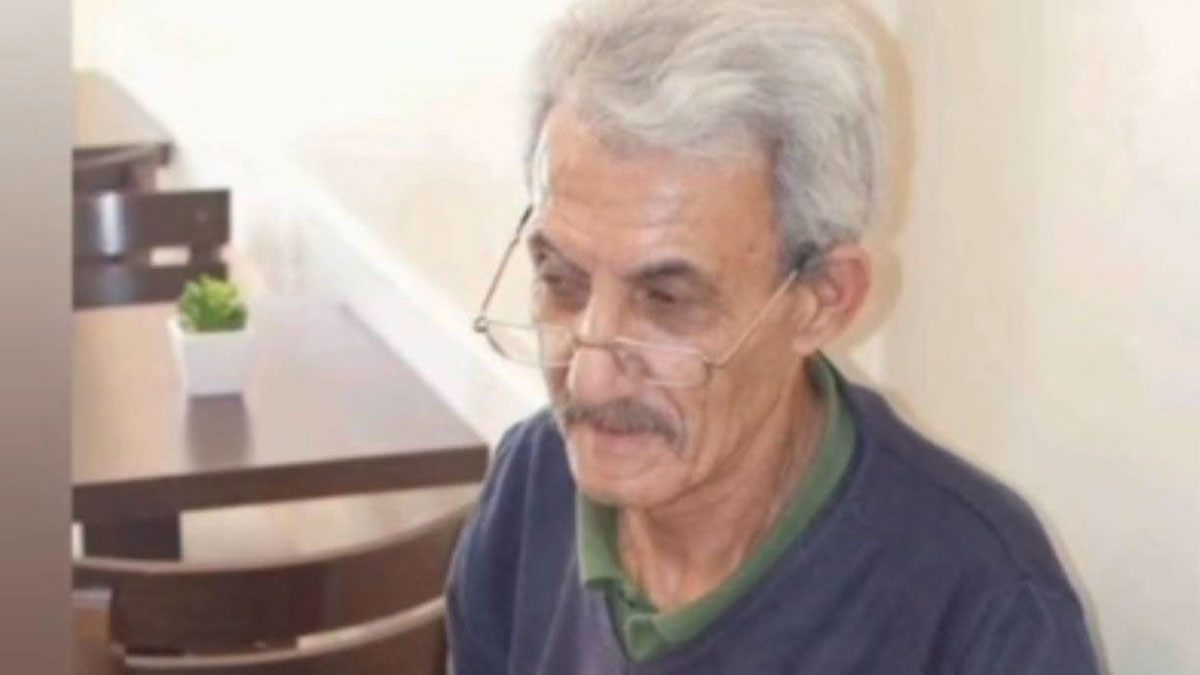
Kabyle.com placed political sentencing back at the center of Kabyle news on July 3, carrying a lead item that identified Said Bissaha as having received a 10-year prison sentence in what the outlet described as an opinion-related case.
The same Kabyle.com front page also highlighted another report describing four heavy convictions as a political verdict. The full article pages were not accessible during this drafting run, so the claims should remain attributed to Kabyle.com unless editors obtain additional court documents or local confirmation before publication.
Even with that caution, the reports are newsworthy because they arrive during a broader tightening of Algeria’s political space. Le Monde recently described the post-Hirak environment as one in which activists, journalists and civil-society figures continue to face prosecutions, surveillance and legal pressure. AP’s election-day coverage also reported that opposition and Hirak-linked candidates were among those barred from Algeria’s July 2 legislative vote.
For Kabylie, such cases carry an added identity dimension. Algerian authorities have repeatedly treated Kabyle self-determination activism, Amazigh symbols and independent media narratives as security issues rather than political expression. Kabyle.com’s framing of the reported sentences as “opinion” cases speaks to that wider dispute over whether dissent in Kabylie is being judged as speech, politics or security threat.
The immediate facts need careful follow-up: the precise charges, court, defendants, appeal options and detention conditions should be verified before publication. But the reports point to a continuing pattern in which Kabyle civic and political expression remains exposed to severe legal consequences.