
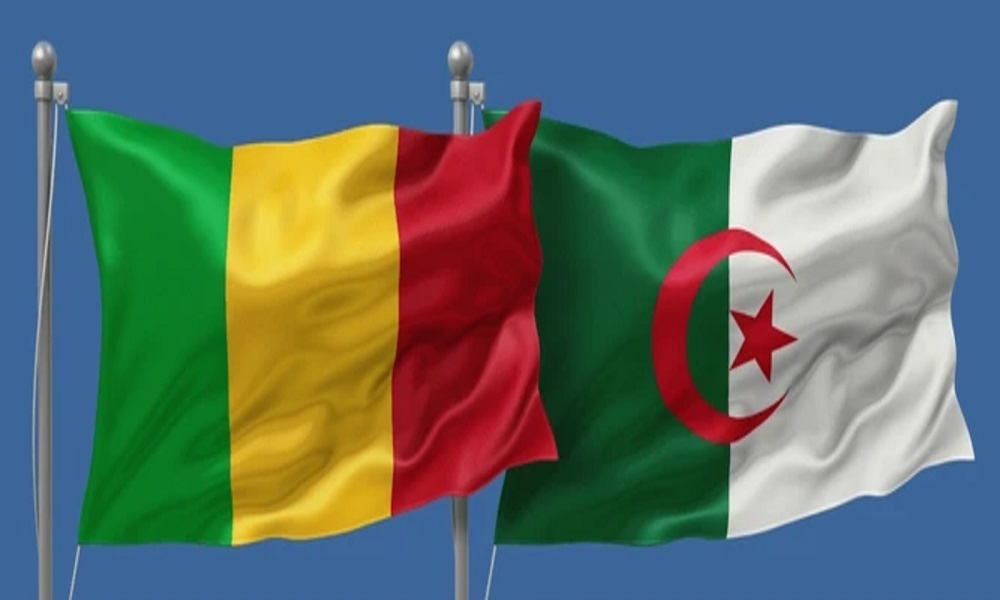
Mali and Algeria have reopened their airspace to each other and moved to restore diplomatic relations, ending a yearlong rupture that began after Algeria shot down a Malian military drone near the border in April 2025. The step matters well beyond bilateral protocol because Algeria had previously played a central mediating role in northern Mali, where Tuareg-led Azawad movements remain central to the conflict.
According to the Associated Press, Mali’s military government said it would restore the Algerian ambassador to Bamako and reopen its airspace to flights to and from Algeria. AP also reported that Algerian media confirmed the return of diplomatic relations. The original break had followed the drone incident and a wider deterioration after Mali withdrew from the 2015 peace agreement that Algeria had helped broker with Azawad separatist groups.
The diplomatic thaw comes at the same moment that fighting remains active in the north. In a separate AP report, Mali’s army said it had broken a blockade around its base in Anéfis after clashes with the Azawad Liberation Front (FLA) and allied armed groups. The FLA also acknowledged withdrawing from the area, but casualty claims from both sides were not independently verified. For Amazigh and Tuareg readers, that contrast is the key point: state-to-state ties may be improving, yet the core political and military struggle around Azawad is still unresolved.
The reopening of airspace and the return of ambassadors could reduce one layer of regional tension, but there is no evidence yet that it has produced a new political track with Azawad actors themselves. Human review is recommended before publication if editors want to add broader historical context on Algeria’s mediation role or the current position of Tuareg political movements.