
A new round of criticism from Amazigh film makers and cultural advocates is putting renewed attention on what they describe as weak public support for Amazigh-language film and television production in Morocco.
On June 25, 2026, the Moroccan Center for Amazigh Media said public audiovisual policy was marked by “stagnation and decline” for Amazigh content and called for an increase in the production budget of the Tamazight channel. As reported by Al3omk, the group argued that the budget allocated to the Amazigh channel has not been raised enough to sustain full 24-hour coverage and stronger programming, while other parts of the public broadcasting sector continue to receive larger spending and restructuring support.
The same statement also criticized what it described as a lack of balance between Arabic-language and Amazigh-language film production. According to Al3omk’s summary of the statement, the group pointed to fewer resources, weaker renewal in programming, and continued concentration of outside production contracts in the hands of a limited number of companies.
A separate May 29, 2026 advocacy statement by the Amazigh World Assembly framed the problem as a gap between legal commitments and actual subsidy practice. The group cited Article 14 of Morocco’s Organic Law 26.16, which says use of the Amazigh language should be considered among the criteria for distributing public subsidies for audiovisual productions, including films, television films and other artistic works. The statement argued that this principle is still not being applied in a way that produces enough documentary and historical content in Amazigh.
Official messaging presents a more positive picture. In February 2026, SNRT highlighted a Ramadan lineup on the Tamazight channel built around fiction and documentary programming, including series focused on social issues, rural change, women’s roles, and memory. That suggests the issue is not an absence of Amazigh production altogether, but rather a dispute over scale, quality, renewal and whether public funding is proportionate to the language’s official status.
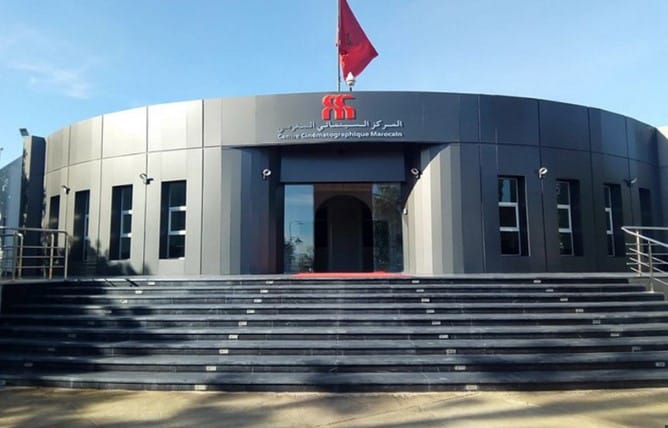
Publicly available 2026 film-support announcements from the Moroccan Cinematographic Center show that national film aid is still being distributed, but they do not, on their face, demonstrate a clear dedicated track or visibly balanced outcome for Amazigh-language projects. That leaves room for continued debate over whether existing support mechanisms are meeting the standards set by Morocco’s own Amazigh-language law.