
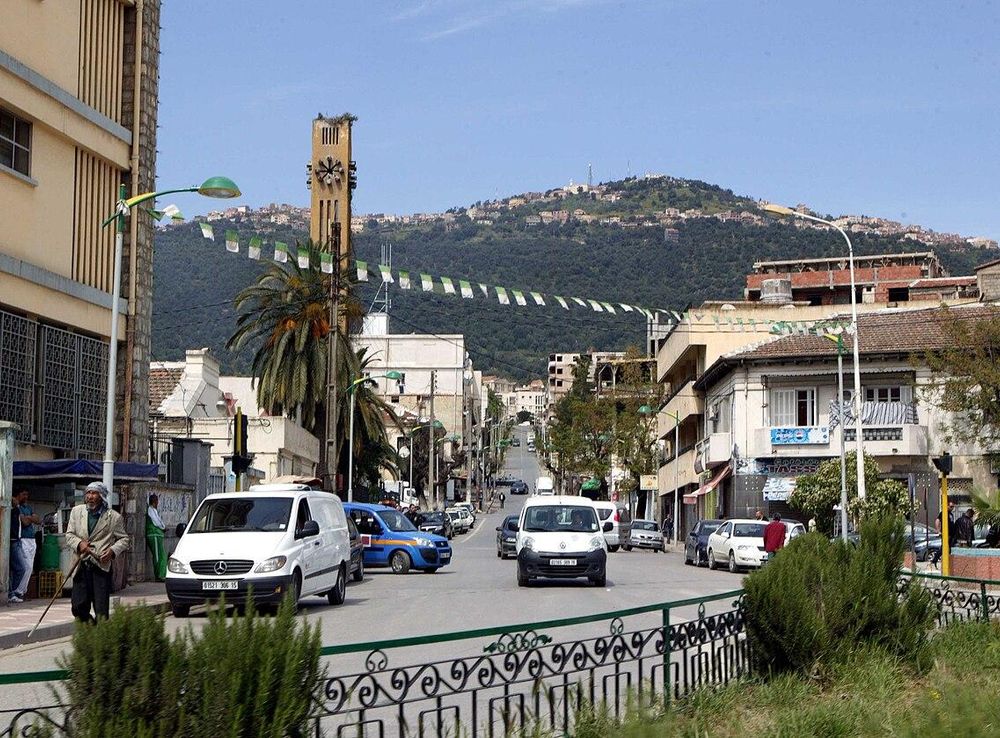
A local political reshuffle in Tizi Ouzou is fueling debate over the role of Kabylie’s traditional parties and their relationship with Algeria’s central political establishment.
Tamurt reported that the Socialist Forces Front, widely known as the FFS, ceded the presidency of the Tizi Ouzou provincial assembly to the FLN after the assembly’s president, identified by the outlet as Dr. Sid Ali, moved toward a legislative candidacy. The report said the decision angered some FFS supporters who believed the party could have retained control of the assembly.
The article quoted a former FFS elected official, now running on an independent list, who alleged that the decision may have reflected political bargaining. Tamurt also linked the episode to wider criticism of both the FFS and the RCD, arguing that the two historically Kabyle-rooted parties have moved closer to the presidential system in recent years.
The claims should be read as Tamurt’s reporting and analysis rather than an official account from the parties involved. Still, the controversy matters because Tizi Ouzou remains a symbolic center of Kabyle political life, and shifts in its local institutions are often interpreted beyond the boundaries of routine municipal or provincial governance.
For many Kabyle observers, the central question is whether established opposition parties can still represent regional demands for dignity, language rights and political autonomy, or whether disillusionment will continue to push voters toward independents, boycott calls or more openly self-determination-oriented currents.