
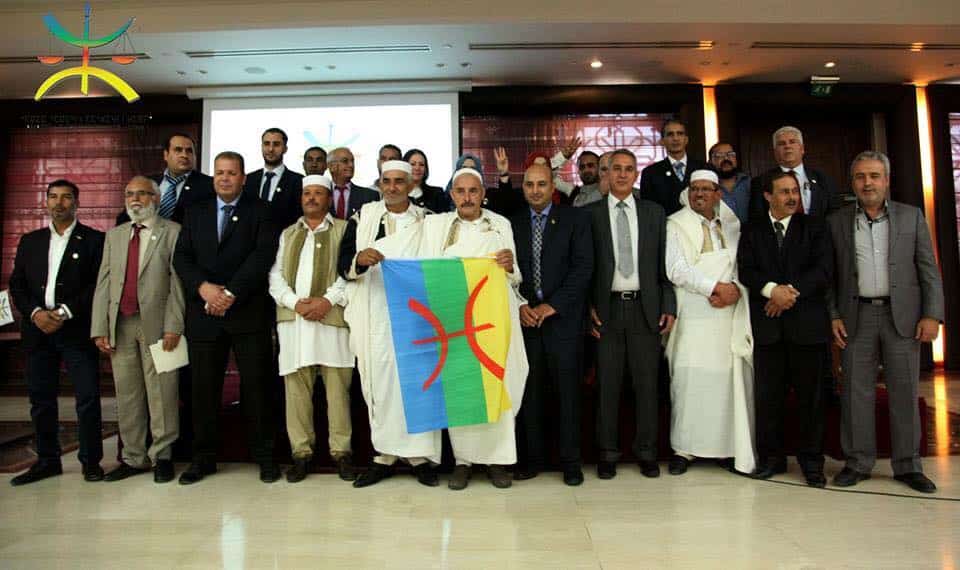
Libya has approved the teaching of the Amazigh language from the first through ninth grades of basic education in Amazigh regions for the 2026–2027 academic year, marking a significant expansion of Amazigh-language education in the country.
The move will allow Amazigh students to study their ancestral language throughout the nine years of basic education, strengthening its presence within the formal school system and supporting efforts to transmit the language to younger generations.
For Libya’s Amazigh communities, education has long been viewed as essential to preserving their Indigenous linguistic and cultural identity. Expanding Amazigh instruction across basic education could help ensure that children develop stronger reading, writing, and language skills while maintaining a connection to their cultural heritage.
The development also reflects broader efforts by Amazigh communities across North Africa to secure greater recognition for their languages within public institutions, particularly schools, where language policy can play a decisive role in whether a language is passed from one generation to the next.
The expansion for the 2026–2027 school year therefore represents an important step for Amazigh-language education in Libya and for the long-term preservation and development of the country’s Amazigh linguistic heritage.