
A new wave of human-rights reporting on Algeria is drawing renewed attention to the shrinking space for civic action, memory work and independent documentation in the country.
Riposte Internationale has highlighted the lessons of a recent report on Algeria, warning that repression continues to weigh on civil society and on organizations documenting state violence. The concerns overlap with long-running work by the Collectif des Familles de Disparu(e)s en Algerie (CFDA), which has spent decades supporting families seeking truth and justice for people who disappeared during Algeria’s Black Decade.
The issue is not only historical. It remains tied to the conditions under which families, journalists, lawyers and rights groups can organize today. CFDA and related organizations say relatives of the disappeared still face administrative, judicial and political barriers when they seek answers, while memory work itself is often treated as a challenge to official silence.
Recent developments have intensified concern. Radio des Sans Voix reported that the Algerian premises of SOS Disparus were sealed in March 2026 after years of obstacles to registration. It also reported arrests and pressure affecting relatives of the disappeared and rights defenders in April 2026. CFDA demands include ending harassment, reopening its offices, lifting measures against its president Nassera Dutour and creating an independent commission on enforced disappearances.
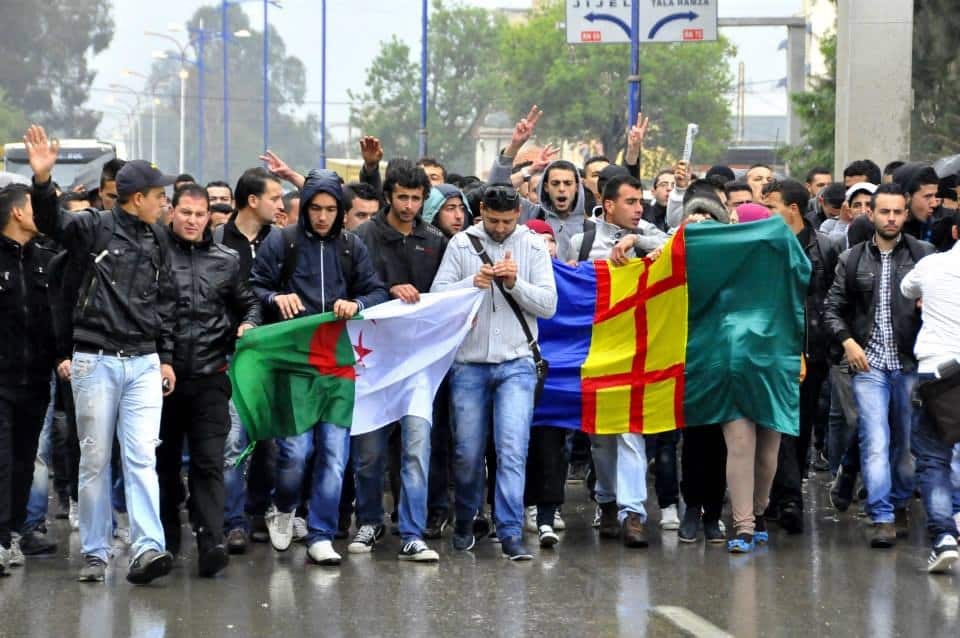
The case fits a broader pattern identified by rights groups: civil society organizations face refusals of registration, restrictions on meetings, pressure on activists and legal tools that make peaceful action risky. For Amazigh and Kabyle communities, this climate is particularly important because cultural, linguistic and political advocacy often depends on local associations, public gatherings, independent media and diaspora networks.
This does not mean every rights case in Algeria is specifically Amazigh. It means that when public space narrows, Amazigh cultural and human-rights advocacy is also affected. A community cannot defend language, heritage, prisoners of conscience, religious freedom or regional rights if the basic channels of association and documentation are blocked.
IWGIA’s 2026 Algeria report also describes a heavy security climate in protest areas such as Kabylia and cites concerns about travel bans, prosecutions and pressure on Amazigh activists. Together, these reports show how memory, language and rights are connected: the ability to remember publicly is part of the ability to exist publicly.
The latest reporting therefore deserves attention beyond specialist human-rights circles. It is a reminder that Algeria’s unresolved past is not only historical. It continues to shape the conditions under which citizens, families, journalists, Amazigh advocates and civil-society groups can speak today.
Sources
- Riposte Internationale: Lessons from the 2025 report on Algeria
- Radio des Sans Voix: CFDA demands an end to repression against families of the disappeared
- CFDA publications and reports
- IWGIA: The Indigenous World 2026 – Algeria