
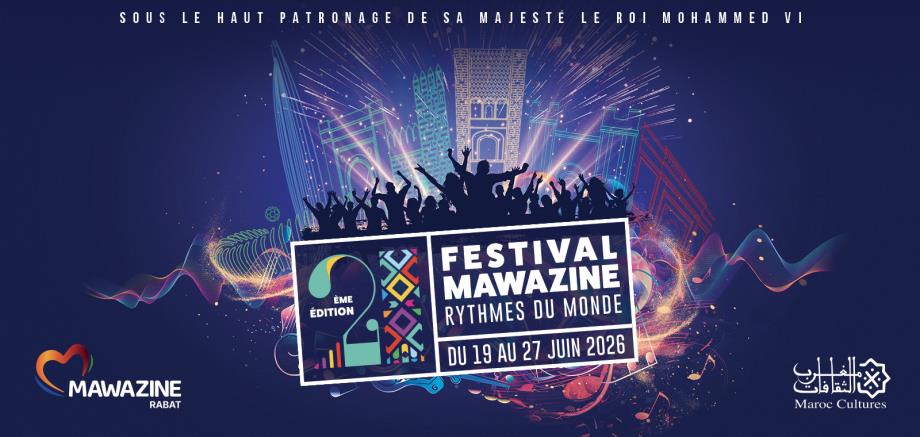
Mawazine 2026 is giving Amazigh and Saharan sounds a visible place inside one of Morocco’s largest cultural events, with several artists scheduled for the Sale stage during the June festival.
The most direct Amazigh highlight is Aicha Maya, scheduled to perform on June 20. SNRT describes her as a respected figure of Chaabi-Atlas and popular Amazigh song, known for a powerful voice and a repertoire rooted in Middle Atlas rhythms. Her appearance places Amazigh popular music in front of the broad festival audience rather than limiting it to specialist cultural programming.
The official Mawazine program also lists Rif Experience on June 20, Fatima Tabaamrant on June 24 and Saida Charaf on June 26. That sequence is notable because it presents Moroccan music as a plural field: Amazigh, Rif, Hassani, chaabi and other popular traditions share the same national stage.
Yabiladi reported that the Sale stage will also host major figures of Moroccan popular music, including Statia, Abdellah Daoudi, Abdelaziz Stati and Saida Charaf. Charaf, from Laayoune, is known for Hassani music that blends Saharan, Amazigh and wider Moroccan popular influences. In this context, Mawazine becomes not only a concert calendar, but also a public map of Morocco’s regional identities.
The festival’s own description of the Sale stage says it reserves a major space for artists from Morocco and brings together styles ranging from gnaoua and chaabi to Amazigh music, rap, rock and reggae. That framing matters because it treats Amazigh music as part of the country’s living mainstream, not as a heritage item separated from contemporary taste.
For Amazigh audiences in Morocco and the diaspora, the lineup is a reminder that cultural recognition also happens through stages, radio playlists, festival posters and shared public celebrations. A performance by Aicha Maya or Fatima Tabaamrant can carry language, memory and regional identity into spaces where younger listeners may encounter these traditions in a festive, modern setting.
The wider opportunity is for festivals to move beyond occasional representation and build consistent support for Amazigh artists, especially emerging performers. Mawazine 2026 shows that the audience is there. The next step is ensuring that Amazigh music keeps receiving major stages, strong promotion and fair visibility across Morocco’s cultural calendar.
Sources
- SNRT News: Aicha Maya at Mawazine 2026
- Yabiladi: Mawazine 2026 announces Moroccan popular music lineup
- Mawazine official program: Sale stage