
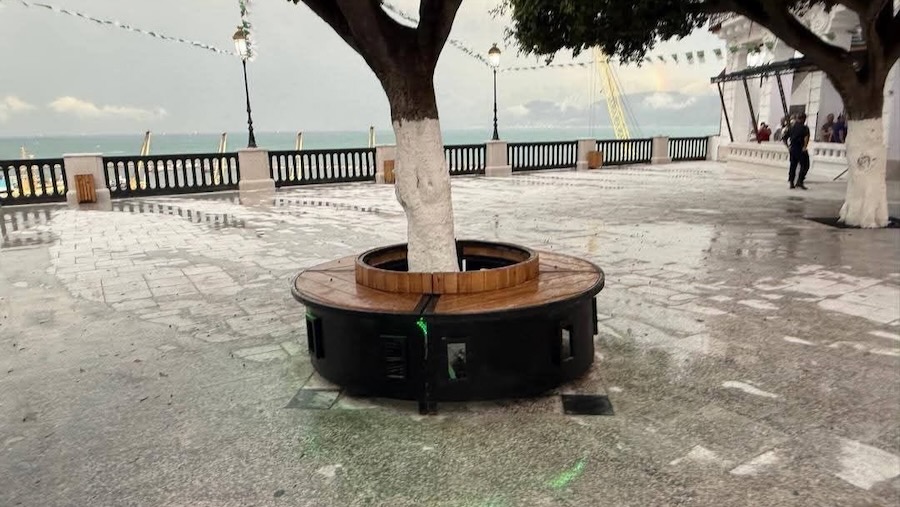
A renovation project at Bgayet’s Place du 1er-Novembre, the historic square also known by its former name Place Gueydon, has triggered public anger in Kabylie after local reporting described the works as a failed rehabilitation effort.
Tamurt placed the story at the top of its July 8 coverage, reporting that the project has sparked indignation among residents. While the dispute is local, it touches a broader issue familiar across Kabylie: the condition of public spaces, the handling of urban heritage, and the accountability of local authorities when civic landmarks are altered or neglected.
Place du 1er-Novembre is one of Bgayet’s recognizable urban spaces. In cities with layered histories, renovations can become politically and culturally charged, especially when residents feel that public works erase memory, damage usability, or fail to respect the character of a central square.
The Tamurt report frames the controversy as a local governance problem rather than a simple aesthetic disagreement. For many Kabyle towns, public works are judged not only by their budget or official presentation, but by whether they improve daily life and preserve spaces that residents identify with.
Urban projects in Kabylie often sit at the intersection of heritage, municipal management, and public trust. When residents see a project as poorly executed, anger can quickly become a wider criticism of how decisions are made, who is consulted, and whether local priorities are respected.
The Bgayet controversy is therefore a small but telling story about public accountability in Amazigh-majority regions of Algeria. It shows how civic space, memory, and local administration remain central concerns in Kabylie beyond national political headlines.