
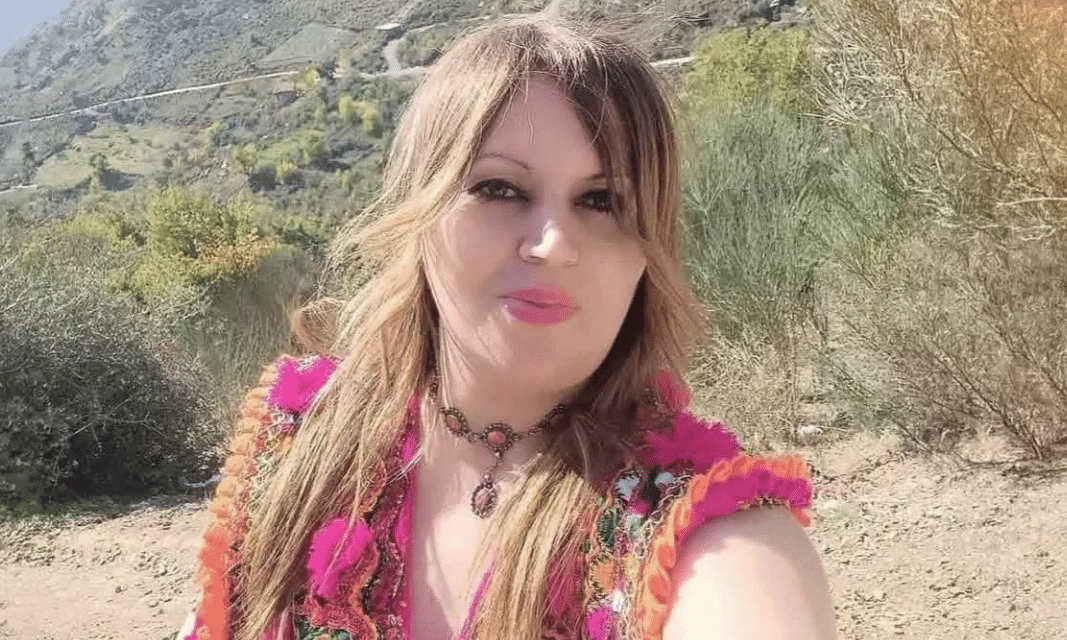
Nadia Moussaoui, the Kabyle teacher of Tamazight known online as “Tamazight Moussaoui,” has been released after a court in M’Chedallah, Bouira, sentenced her to one year in prison with a suspended term. The ruling, delivered on Tuesday, September 22, marks a new stage in a case that had drawn attention across Kabylie and among Amazigh-language advocates.
Moussaoui teaches the Amazigh language at Aliane-Hmimi high school in Chorfa and is also known for educational content shared online. According to Algerian reporting, she had been held in pre-trial detention since September 6 after proceedings tied to a social media post or video connected to Algeria’s July legislative elections. Prosecutors had reportedly sought a two-year prison term during the September 16 hearing.
The suspended sentence allowed Moussaoui to leave detention and return to her family, but it does not amount to an acquittal. That distinction matters for rights advocates, who have framed the case as part of a broader debate over political expression, online speech, and the vulnerability of Amazigh-language cultural figures in Algeria.
Her defense argued that the expression of a political opinion should not, by itself, constitute a criminal offense. Supporters had also highlighted Moussaoui’s public role in promoting Tamazight through lessons, free educational resources, and cultural content aimed at strengthening transmission of the language among younger speakers.
The case became especially sensitive because Moussaoui’s profile crosses education, language rights, and public speech. Her family had previously called for restraint and warned against politicizing her situation, while thanking lawyers and supporters who followed the proceedings. The release therefore brings immediate relief to her relatives and students, even as the suspended sentence leaves a legal cloud over her public activity.
For Amazigh observers, the case is likely to remain a reference point in discussions about language activism and civic freedoms in Algeria. It also underlines how teachers and digital educators can become central figures in the defense of Tamazight, particularly when formal institutions are seen as insufficient for preserving and expanding the language’s public presence.