
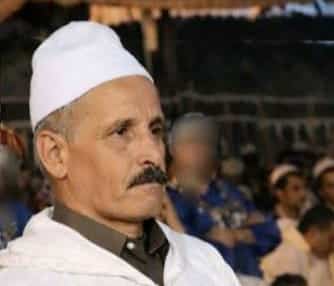
Moroccan cultural outlets are mourning Omar Barghout, an Amazigh poet remembered as one of the quiet voices who shaped oral poetry and Assais performance in the Mazouda area and nearby Souss-Haouz cultural spaces.
Reports published this week described Barghout as a poet whose work circulated through communal performance, local gatherings and the repertoire of artists more widely known to the public. That profile places him among a generation of creators whose words nourished Amazigh song and oral memory, even when their names remained less visible than those of performers.
Barghout’s death has drawn attention to a recurring debate in Amazigh cultural preservation: how to document the authors of sung poems, improvised verses and performance texts that often travel by voice rather than by printed attribution. Researchers have long warned that many poets of Ahwach and Assais traditions were central to the artistic life of villages, markets and festivals, but remained vulnerable to erasure when recordings or stage performances credited only singers.
Older cultural writing on Ahwach poetry places Omar Barghout among figures associated with the transmission of Amazigh verse in southern Morocco. Recent tributes emphasize his command of meaning, reflection and concise oral expression, as well as his connection to collective memory in Mazouda.
The renewed attention around his name is therefore more than an obituary. It is also a reminder that Amazigh cultural heritage depends on preserving the biographies, voices and intellectual labor of poets who worked within oral systems, where authorship can be communal, fluid and easily overlooked unless documented with care.