
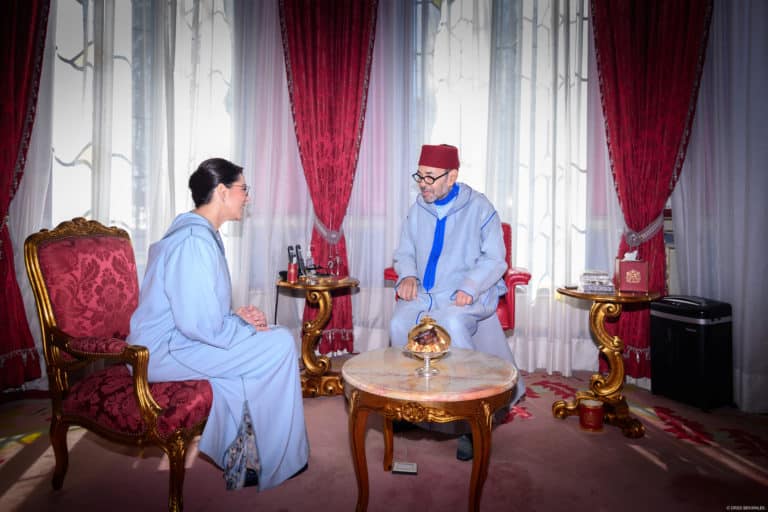
Morocco’s post-election transition entered a new phase on September 29 after King Mohammed VI appointed Fatima Zahra Mansouri, coordinator of the collective leadership of the Authenticity and Modernity Party (PAM), as head of government and tasked her with forming a new cabinet.
The appointment is historically significant: international and Moroccan outlets described Mansouri as the first woman to hold the office of prime minister in the kingdom. For Amazigh advocates, the immediate question is less symbolic and more practical: whether the next government will accelerate policies that have long been promised around Tamazight, territorial equity, public services, education and cultural recognition.
PAM’s election victory had already placed those issues back at the center of government negotiations. Amazigh civil society groups have spent years pressing for the full implementation of Tamazight’s official status, including stronger use in public administration, courts, education, media and election communication. The new government-formation process now determines which ministries and coalition partners will be responsible for turning those commitments into measurable programs.
Official Moroccan statements said Mansouri was received at the royal palace in Rabat and appointed under Article 47 of the Constitution. SNRT also reported that she pledged to begin work immediately and propose a government capable of meeting public expectations.
The political context remains complex. PAM must assemble a governing majority after an election shaped by turnout concerns, youth demands, migration pressures and debates over representation in mountain, rural and Amazigh-speaking regions. That gives the next cabinet both an opportunity and a test: whether symbolic milestones in national politics can translate into concrete language rights and local development outcomes.