
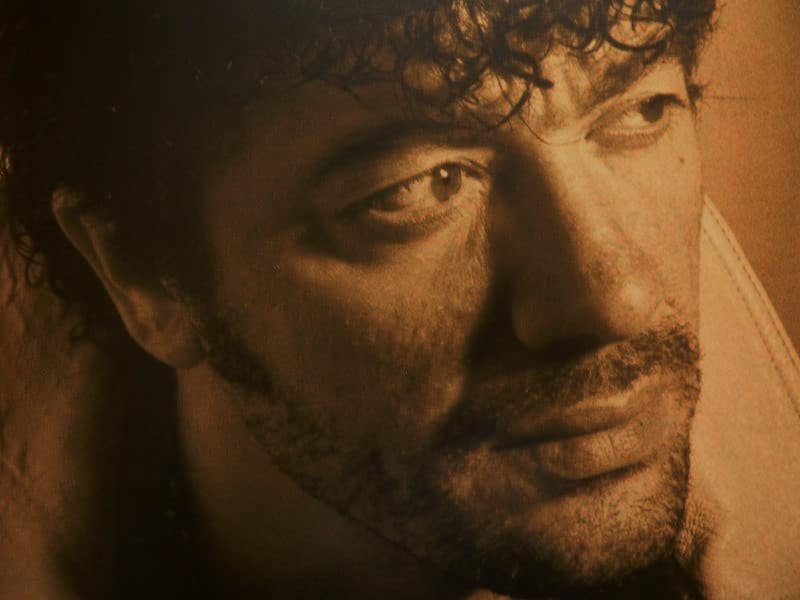
Kabyle media marked the 28th anniversary of the assassination of Matoub Lounes, the singer and activist whose death on June 25, 1998 remains one of the defining wounds of modern Kabyle memory.
In two anniversary pieces, Tamurt revisited both the circumstances of the killing near Ath Douala and the longer political meaning of Matoub’s career. One article presented the anniversary as an unresolved demand for truth, while another emphasized the singer’s enduring role as a voice of defiance, secularism and Amazigh identity.
Matoub Lounes was more than a musician for many Kabyles. His songs and public positions placed the Amazigh language, Kabyle dignity, women’s rights and opposition to both Islamist violence and authoritarian rule at the center of his public life. Tamurt’s coverage describes him as a figure whose political evolution pushed the Kabyle question beyond cultural recognition and toward open debate over autonomy and self-determination.
The assassination remains contested and emotionally charged. Tamurt’s June 25 article accuses Algerian security structures of responsibility and rejects the official framing that blamed Islamist militants. Those claims are part of a long-running dispute over the case and should be read as the position advanced by the publication and by sections of Kabyle public opinion.
Nearly three decades later, Matoub’s anniversary continues to function as more than a memorial. It is a recurring moment for Kabyle communities to reassess language rights, political repression, cultural survival and the relationship between memory and justice.
Sources
- Tamurt – Matoub Lounes (1956-1998): La voix eternelle de la revolte kabyle
- Tamurt – 25 juin 1998: l’assassinat de Matoub Lounes par la SM