
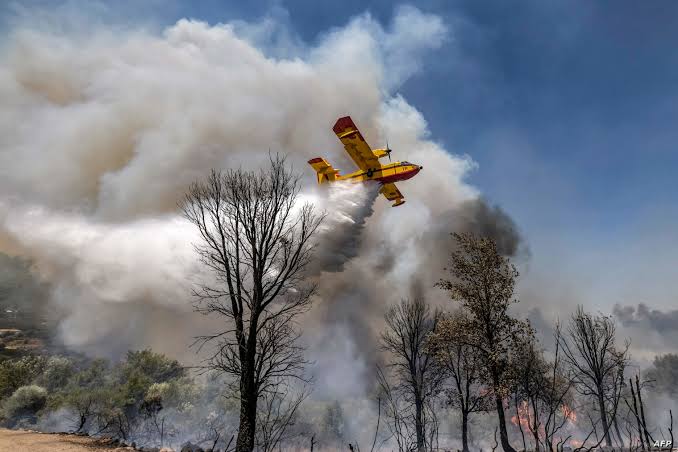
Morocco’s General Directorate of Meteorology has issued a new orange-level heat alert, warning that temperatures could reach 47C in parts of the country between Monday, July 20, and Thursday. Several provinces named in the alert are in southern, Atlas, eastern and Rif areas closely tied to Amazigh communities and rural livelihoods.
Cities like Assa-Zag, Es-Semara, Tata and Zagora were forecast to see the highest temperatures, ranging from 44C to 47C through Wednesday. SNRT News and Medias24, citing the same DGM bulletin, reported that hot conditions would also affect Essaouira, Driouch, Nador and Berkane, where temperatures were expected to range from 35C to 40C.
The warning extends on Tuesday through Thursday to a wider group of provinces with expected highs of 40C to 44C. Those include Khenifra, Boulemane, Guercif, Taza, Taroudant and Tinghir, along with several central and eastern provinces. Many of these places include mountain, oasis, rural or semi-arid communities where heat can affect water access, transport, livestock, harvest work and vulnerable residents.
The latest alert follows a series of hot-weather warnings in July, suggesting that this is not a short isolated spike but part of a longer stretch of stressful summer conditions. In Amazigh regions such as Tata, Zagora, Tinghir, Khenifra, Driouch and Nador, extreme heat intersects with existing pressures on water, agriculture and rural public services.
For residents, the immediate concern is public health. High temperatures increase risks for older people, children, outdoor workers and people with chronic illness. In areas where work depends on farming, markets, transport or construction, avoiding peak sun hours is not always easy. That makes local communication, shaded public spaces, access to drinking water and responsive health services especially important.
The DGM alert also shows why climate coverage is increasingly relevant to Amazigh community news. Heatwaves in the south, Atlas and Rif are not only weather events; they shape the daily conditions under which rural families protect crops, herds, homes and elderly relatives. As Morocco enters the hottest part of summer, the affected provinces will need both short-term precautions and longer-term adaptation measures.