
The United Nations marked the International Day of the World’s Indigenous Peoples on August 9, 2026 with a theme centered on “Honouring Indigenous Midwives: Safeguarding Life and Well-being.” A related UN online commemoration was scheduled for August 10, 2026, focusing on the role of Indigenous midwives, culturally appropriate health care and the protection of Indigenous-led systems of care.
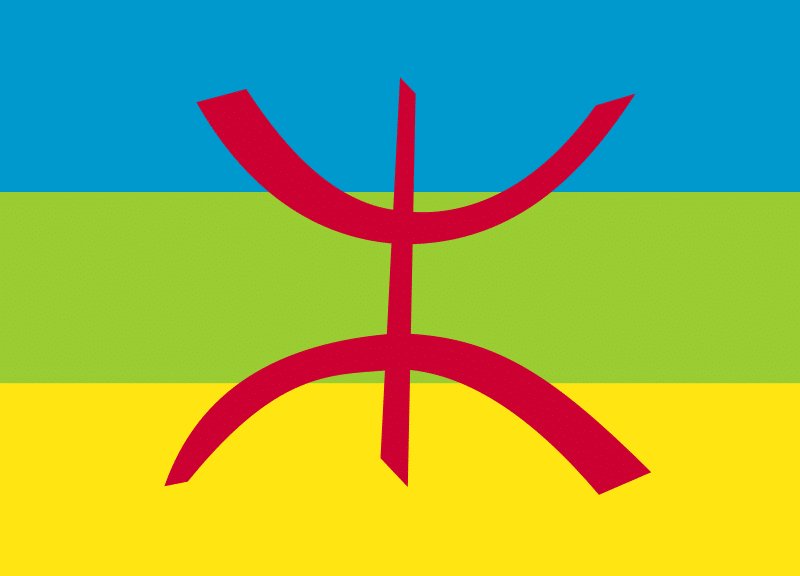
The 2026 UN framing is global, but it also resonates in North Africa, where Amazigh communities continue to argue that language rights, cultural continuity and recognition of Indigenous knowledge remain unfinished political questions. For Amazigh readers, the UN’s emphasis on knowledge transmission and community-based care connects directly to broader debates over how states recognize Indigenous identity, language and collective rights.
According to the UN observance page, this year’s theme highlights midwifery as part of wider Indigenous knowledge systems that link territory, spirituality, community and ways of life. A July 2026 explainer from UN DESA said the theme is meant to underline both the role of Indigenous midwives as knowledge holders and the barriers many Indigenous communities still face in securing culturally appropriate care.
Recent background papers from the International Work Group for Indigenous Affairs (IWGIA) describe those tensions clearly in the Amazigh context. In Morocco, IWGIA says the 2011 constitution recognized Amazigh identity and language, while implementation remains a longer-term political and administrative challenge. In Algeria, IWGIA says Tamazight has official constitutional recognition but Amazigh identity is still marginalized in practice and the state does not recognize Amazighs as Indigenous peoples.
That gap between formal recognition and lived reality is one reason the UN’s annual observance still matters. For Amazigh advocates, the day is not only symbolic. It offers another international reference point for debates over education, language use, land, health policy and the protection of community knowledge across Tamazgha.
Human review note: This draft is pegged to the August 9-10 UN observance and uses broad Morocco/Algeria background rather than a single new government decision in North Africa. Editors may want to localize it further with a fresh quote from an Amazigh organization or a country-specific health, language or rights development before publication.