
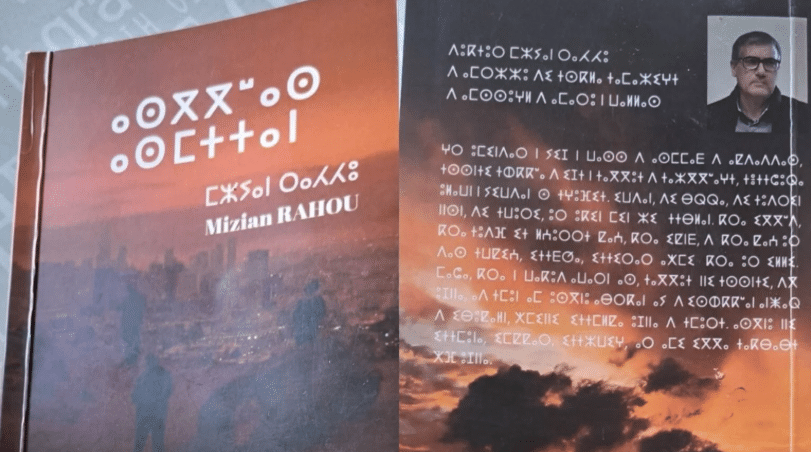
Amazigh-language fiction is being pushed into new territory by Mazyane Rahou’s 2026 novel ⴰⵙⴳⴳⵯⴰⵙ ⴰⵙⵎⵜⵜⴰⵏ, rendered in Arabic discussion as Year of Doom, a speculative work that uses climate, technology and power as narrative material.
In a September 11 essay published by Al Alam Amazigh, writer Khireddine El Jamii reads the novel as a sign that Tamazight fiction can imagine not only memory, myth and the past, but also futures shaped by scientific risk and political control.
The essay presents the novel as a dystopian or anticipatory work rather than a conventional social novel. Its central concerns include human attempts to intervene in nature, climate crisis, secret organization and the question of who controls knowledge when science becomes a tool of domination.
That matters for Amazigh literature because much public discussion of Tamazight writing still centers on oral heritage, identity recovery and the preservation of collective memory. Those themes remain important, but speculative fiction expands the field: it allows Tamazight to name future technologies, imagined disasters and ethical dilemmas that are not limited to the past.
The novel’s significance, according to the essay, is not simply that it is written in Amazigh, but that it asks the language to carry new conceptual weight. Climate anxiety, technological ambition and the politics of survival become part of what Tamazight fiction can express.
For readers and publishers, Year of Doom may become part of a broader conversation about genre in Amazigh literature. Science fiction, climate fiction and dystopian storytelling remain relatively underdeveloped in the field, but they offer a way to connect local language creativity with global questions about the future.