
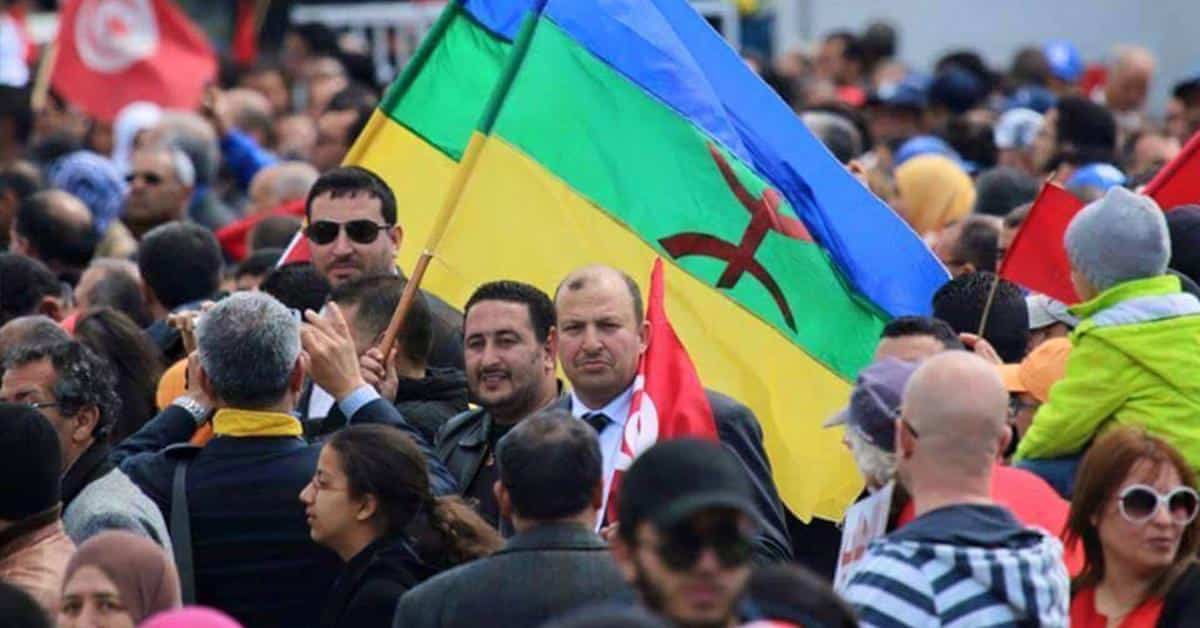
Tunisia’s Amazigh minority is back in the international human-rights conversation after a review by the United Nations Committee on the Elimination of Racial Discrimination raised questions about recognition, statistics, names, language education and political representation.
The World Amazigh Congress published a detailed summary of the committee’s Tunisia review, held during the 116th session in Geneva in late 2025. The organization says the committee examined Tunisia’s periodic report under the International Convention on the Elimination of All Forms of Racial Discrimination and heard from both the Tunisian delegation and non-governmental organizations.
According to the summary, UN experts questioned the absence of official data on Tunisia’s ethnic composition, including the Amazigh population. That absence is significant because without reliable statistics, governments can claim equality in general terms while communities remain invisible in policy decisions. The committee also asked about the socioeconomic situation of Amazigh citizens and Tunisians of African descent.
One issue concerns Amazigh names. Tunisia repealed a long-standing circular in 2020 that had restricted the registration of Amazigh first names, but the World Amazigh Congress says reports submitted to the committee suggested that some municipal offices may still refuse such names in practice. If true, that would turn a question of identity into a daily administrative obstacle for families.
The committee’s recommendations, as summarized by the Congress, include measures to collect disaggregated demographic data based on self-identification, fight structural discrimination, guarantee access to education in Tamazight and improve representation of Amazigh and Black Tunisians in public life and decision-making positions. It also recommended school-curriculum reforms to include diversity and anti-racism more fully.
The Tunisian government, according to the summary, defended its record by saying it protects minority cultures and supports events connected to Amazigh heritage. But the Congress argued that the delegation did not provide enough concrete evidence of sustained policy support.
For Amazigh communities in Tunisia, the review matters because recognition has often been partial and cultural rather than political. Music, crafts and village heritage can be celebrated while language rights, statistics and representation remain unresolved. The CERD recommendations point to a broader standard: Amazigh identity should be protected not only as heritage, but as a living community with rights in education, public administration and political life.
Sources
- Congrès Mondial Amazigh: CERD review of Tunisia and Amazigh rights
- OHCHR meeting-summary link cited by the World Amazigh Congress